About this landmark
Arctic Wilderness in Svalbard
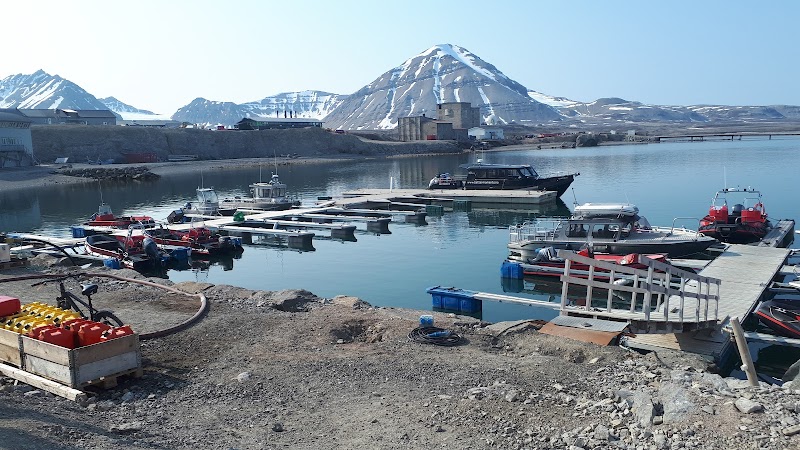
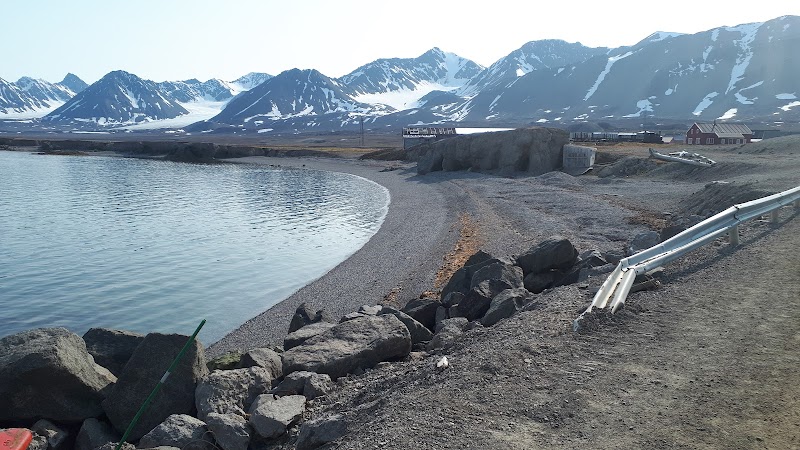
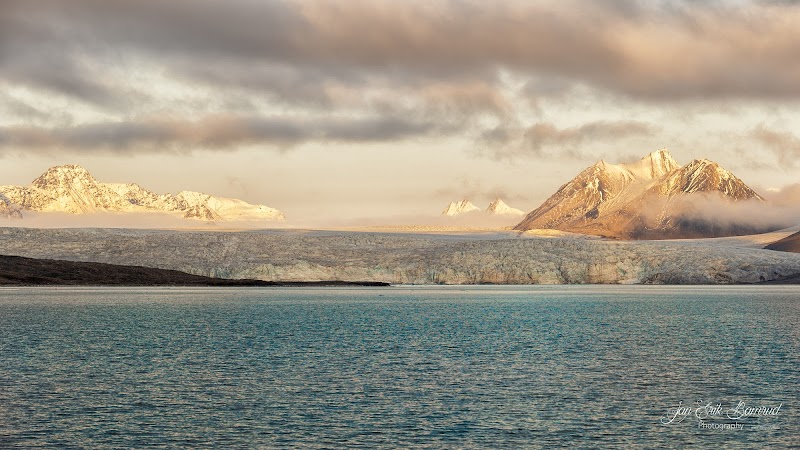
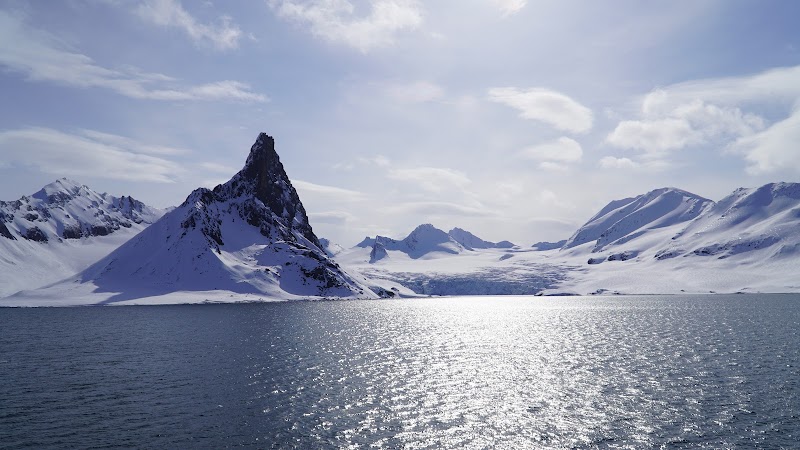
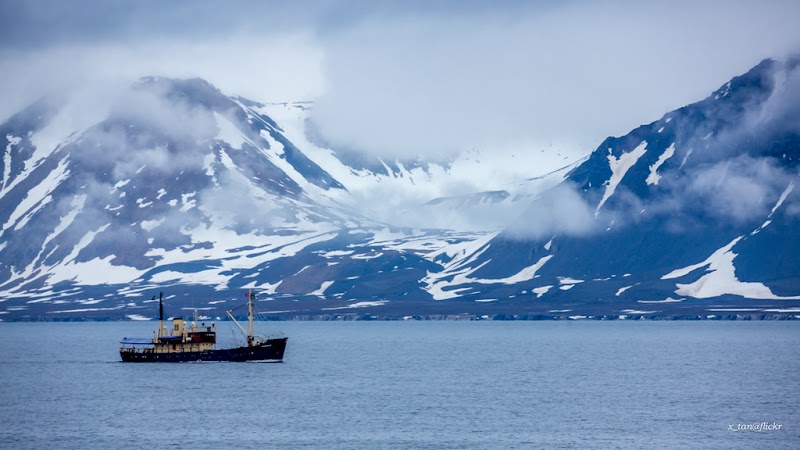
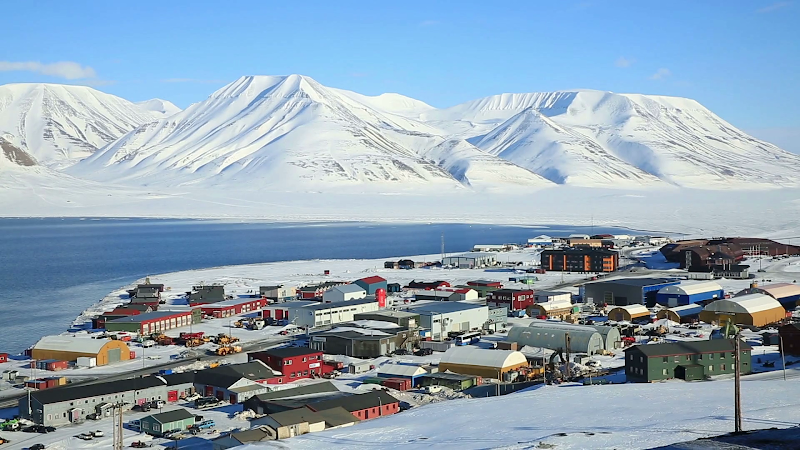
Svalbard, a remote archipelago situated in the Arctic Ocean, north of mainland Norway, is a mesmerizing destination known for its stunning natural beauty and unique wildlife. With a landscape dominated by majestic glaciers, snow-capped mountains, and frozen fjords, Svalbard provides an unspoiled paradise for nature enthusiasts. One of the key features of this region is its extraordinary polar wildlife, including polar bears, arctic foxes, and reindeer, offering glimpses into a world rarely seen by human eyes. Svalbard’s varied terrain encompasses rugged peaks and expansive ice fields, creating a dramatic backdrop for adventure seekers. The proximity to the North Pole means visitors can witness the breathtaking phenomenon of the Midnight Sun in summer and the enchanting Northern Lights in winter. Historically, Svalbard has been a hub for scientific research and exploration, due to its unique Arctic climate and ecosystems. Adventurers and researchers are drawn to Svalbard for its unparalleled opportunities to experience the raw power of nature. Whether you’re exploring by foot, kayak, or snowmobile, the sense of solitude and wonder in this frozen wilderness is unmatched. Svalbard stands out as a place where the wilderness remains wild, offering visitors a rare taste of life at the edge of the world.
Adventure Guide
Adventure Guide To Svalbard
1. Snowmobiling Across the Arctic Tundra
- Highlights: Experience the vast Arctic landscape by snowmobile, traveling through icy terrains and stunning valleys.
- Features: Guided tours provide a safe and exciting way to explore regions otherwise inaccessible.
- Local Insight: Embrace the polar climate and learn about Svalbard's ecology from knowledgeable guides.
- Visitor Tips:
- Best Time to Visit: February to May for ideal snow conditions.
- What to Bring: Warm layers, insulated boots, and gloves.
- Directions: Flights to Longyearbyen from Oslo; snowmobile tours depart nearby.
2. Dog Sledding Expedition
- Highlights: Enjoy an exhilarating ride with a team of enthusiastic huskies through the pristine Arctic wilderness.
- Features: Dog sledding offers an eco-friendly, traditional way to traverse snowy landscapes.
- Local Insight: Discover the cultural history of sled dogs in Arctic exploration.
- Visitor Tips:
- Best Time to Visit: Late winter to early spring.
- What to Bring: Sunglasses to protect against snow glare, camera.
3. Glacier Hiking
- Highlights: Witness awe-inspiring glacier formations and ice caves.
- Features: Expert-led tours provide safety equipment and insights into geology.
- Local Insight: Learn about the impact of climate change on glacier dynamics.
- Visitor Tips:
- Best Time to Visit: Spring to early summer when the ice is most stable.
- What to Bring: Sturdy boots, crampons, and a sense of adventure.
Visitor Tips
- Best Times:Winter for favorable conditions and optimal lighting.
- What to Bring:Plenty of water, sun protection, a camera, and respectful Leave-No-Trace mindset.